
Subsidence
At the heart of our journey lies the trust of thousands of businesses worldwide, reflected in the numbers that drive us forward.
What is subsidence?
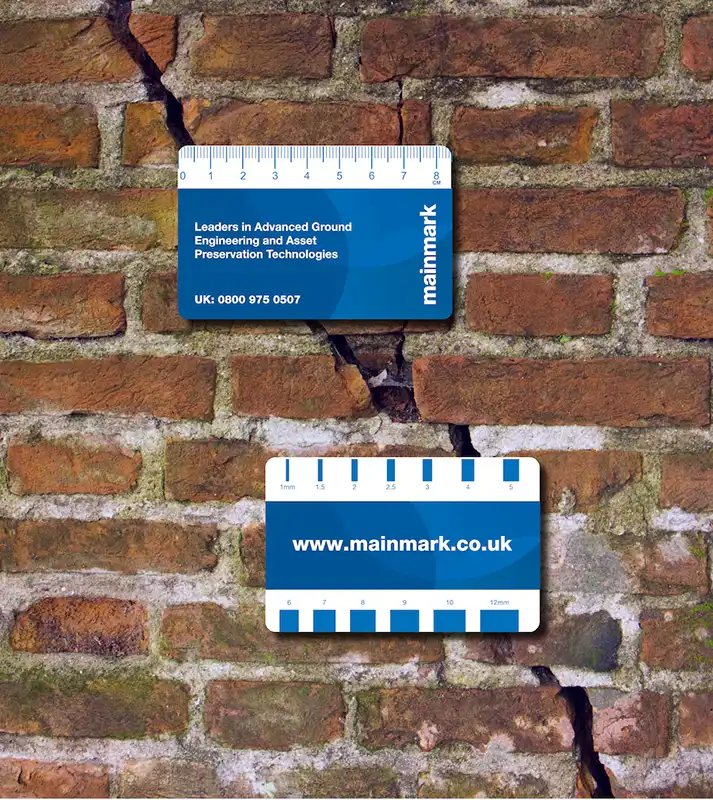
Subsidence is the sinking ground beneath a building, which causes the foundations to move and the property to drop unevenly. Over time this can lead to cracks in walls, sinking floors, and even serious structural damage.
In Ireland and the UK, tens of thousands of properties are affected by subsidence each year. It impacts:
Homes and residential buildings
Warehouses, factories, and commercial properties
Roads, highways, airport runways, and sea walls
Harbours and other critical infrastructure
Subsidence usually develops slowly. At first, the signs of subsidence in a house may be small. Typically the appearance of fine cracks or a sticking door, these are easy to dismiss. But ignoring the problem will only make it worse. House subsidence repair costs are always lower when the issue is fixed early.
For property owners, subsidence can lower property value and put off buyers or tenants. If ignored, it will create expensive repair bills and in severe cases, compromise the safety of the building.
How To Fix Subsidence?
Traditionally, the main way to fix subsidence was underpinning with concrete. This involved digging under the house and pouring large amounts of concrete to strengthen the foundation. But traditional concrete underpinning or foundation stabilisation was:
Expensive
Messy and disruptive
Time-consuming (weeks or months)
Often required families to move out of their home
Today, there are faster and less invasive subsidence repair techniques.
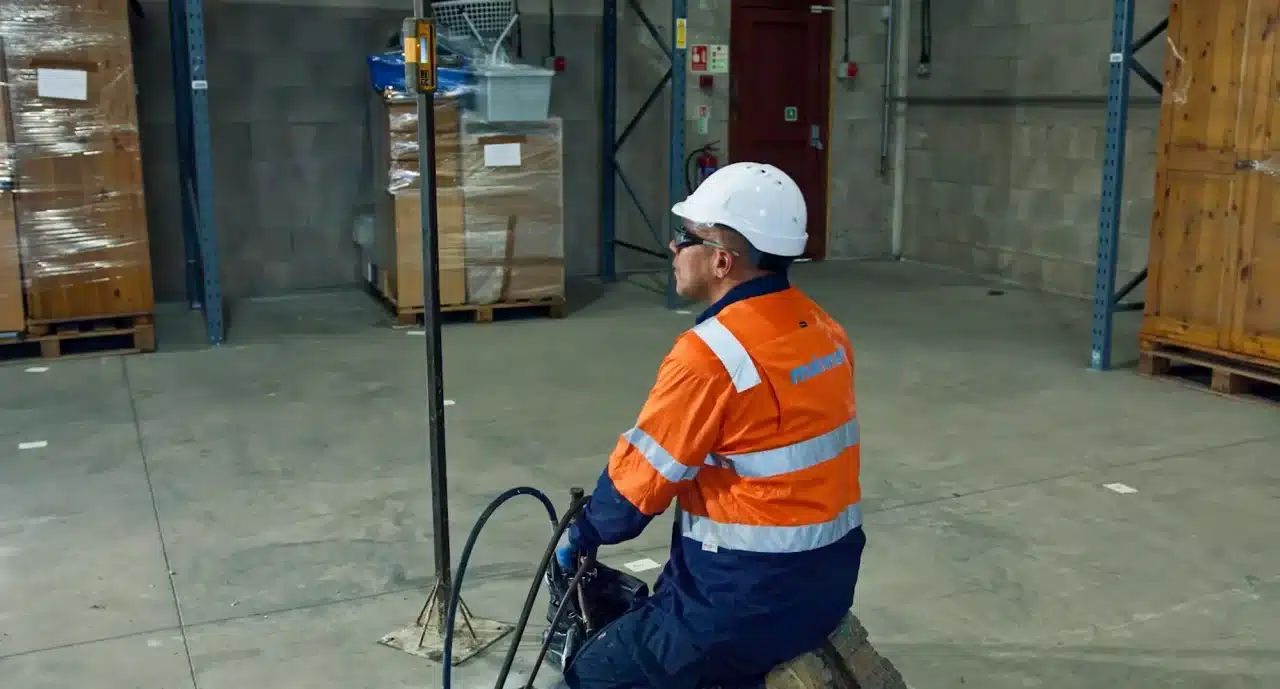
At Mainmark, we use Teretek® resin injection; a ground engineering solution that works like keyhole surgery. Expanding resin is injected into the ground, filling voids and strengthening weak soil. This lifts and re-levels the structure with precision.
Benefits:
Cost-effective: usually cheaper than underpinning
Fast: often completed in just one day
Non-invasive: little or no digging required
No need to move out: in most cases you can stay in your home
Carbon-friendly: no extensive heavy machinery needed
Teretek® has been used to fix house subsidence, industrial buildings, and infrastructure projects worldwide.
How does subsidence affect house sales?
For many, purchasing a property is the biggest investment of their life. The buyer and the seller will want a smooth process, however, there will often be a need for compromise.
For sellers, the final sale price is typically the biggest compromise, while buyers usually need to be flexible regarding the location, layout and size. However, expensive structural repairs may be a deal breaker for many house hunters.
If you’re buying a house and you suspect that it has subsidence, then you should have a full building survey done, this should inform you if there is any risk of subsidence. If subsidence repair work has taken place in the past, then you should obtain documents from the seller to verify that repairs were done to the standard set out by the Building Research Establishment. These documents should include:
A formal completion certificate (issued by the council).
A certificate of structural adequacy.
There may be some guarantees within these repair documents that you will want passed on to you. It’s also a good idea to find out more about the insurance for the property, as properties with a history of subsidence may have limited or more expensive policies.
If you’re selling a house that has subsidence or has a history of subsidence, transparency is key. You may also have to be prepared to lower your asking price; a 2021 report by SOLD.co.uk found that houses affected by subsidence saw a valuation decrease of 20% – 25%.
Sellers should remember that having subsidence on a property does not mean that it can never be sold! Your property will have many positives that you should look to promote and if the work has been completed to the appropriate standard, it is only a matter of time until a buyer is found.
What are the signs of subsidence?
The most common subsidence signs in a house include:

Cracks in walls
Wide cracks (5mm or more, enough to fit your little finger)
Zig-zag or stepped cracks in brickwork
Walls or floors at slightly different heights
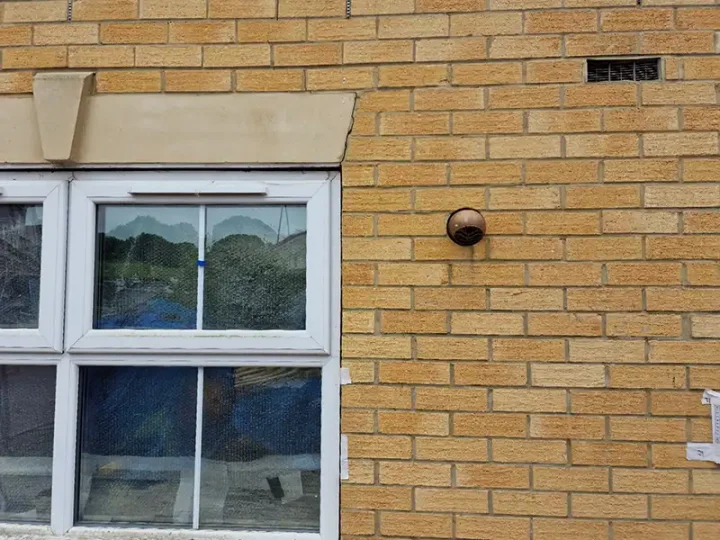
Cracks appearing near windows or doors
Not all wall cracks mean subsidence; some are just cosmetic. But if you notice subsidence cracks in internal walls, it’s safer to get an assessment.
Jammed doors and sticking windows
Subsidence often causes frames to twist out of alignment. Signs include:
Gaps appearing around the frame
Doors or windows that swing open on their own
Frames that stick, jam, or won’t close properly
Sinking floors
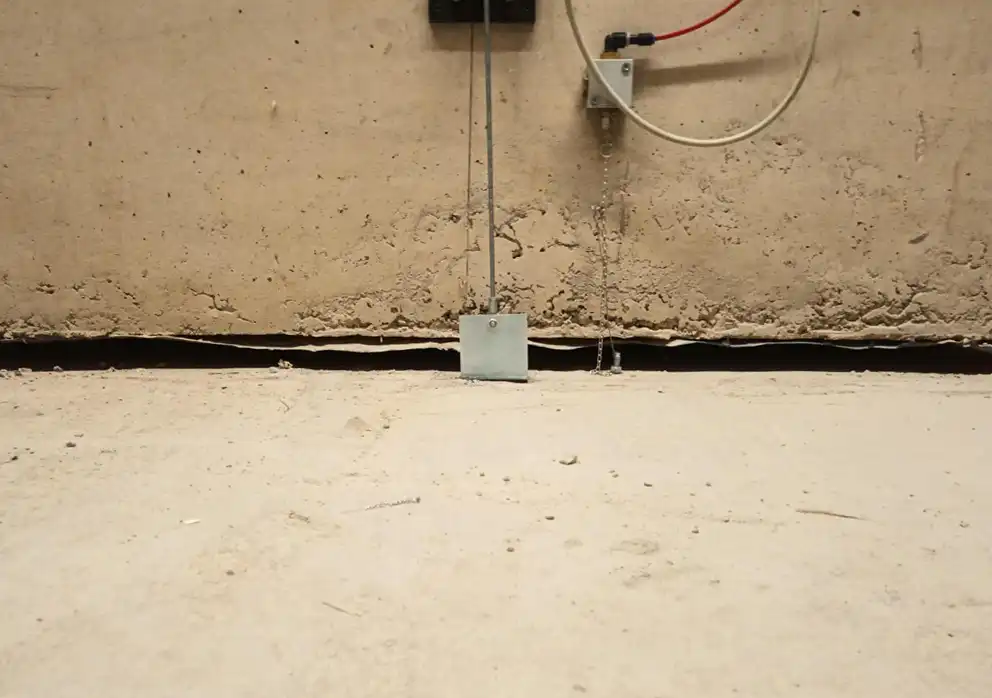
Floors that slope or pull away from skirting boards could indicate subsidence. Look out for:
“Dish-shaped” dips in the middle of rooms
One corner of a room dropping lower than the rest
Visible gaps between floorboards and skirting
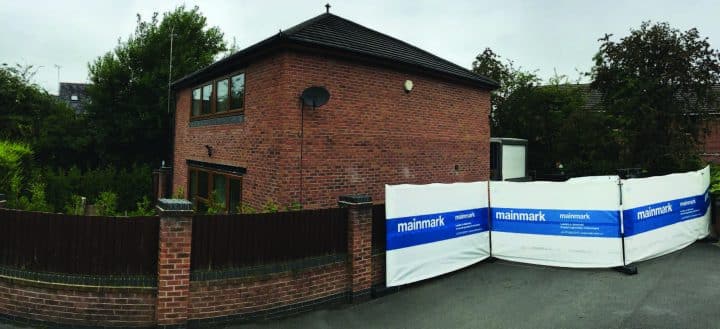
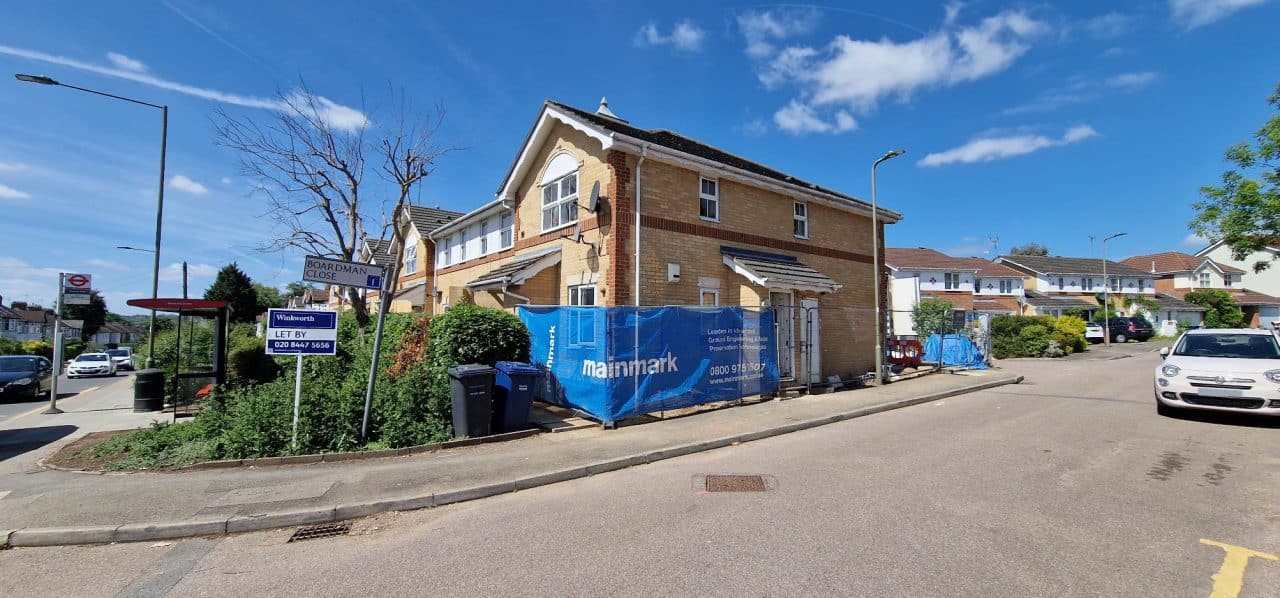
Mainmark’s specialised in-house solutions
Our dedicated team of experts is committed to understanding your unique needs and objectives, working closely with you to develop and execute.
Mainmark subsidence remediation technologies
A diverse group of passionate professionals, each bringing unique skills and experiences to drive innovation and excellence in every project we undertake.

Why Choose Mainmark?
We’ve been fixing subsidence and stabilising buildings in Ireland and the world since 1989.

Honest
We recommend the right solution for each unique project

Proven
Over 30,000 successful projects worldwide, from houses to major infrastructure

Knowledgeable
Specialists in residential, commercial, industrial, and civil engineering

Technical
Combining cutting-edge ground improvement technologies with expert engineering

Consultative
Working closely with clients to deliver tailored solutions

Trusted
Known globally for safe, effective, and innovative ground engineering
Get in Touch
Worried about wall cracks, ceiling cracks, or possible subsidence? Mainmark Ireland’s specialists are here to help. We’ll inspect, assess, and provide the most effective repair plan for your property.
Subsidence
At the heart of our journey lies the trust of thousands of businesses worldwide, reflected in the numbers that drive us forward.
What is subsidence?
Subsidence is the sinking ground beneath a building, which causes the foundations to move and the property to drop unevenly. Over time this can lead to cracks in walls, sinking floors, and even serious structural damage.
In Ireland and the UK, tens of thousands of properties are affected by subsidence each year. It impacts:
Homes and residential buildings
Warehouses, factories, and commercial properties
Roads, highways, airport runways, and sea walls
Harbours and other critical infrastructure
Subsidence usually develops slowly. At first, the signs of subsidence in a house may be small. Typically the appearance of fine cracks or a sticking door, these are easy to dismiss. But ignoring the problem will only make it worse. House subsidence repair costs are always lower when the issue is fixed early.
For property owners, subsidence can lower property value and put off buyers or tenants. If ignored, it will create expensive repair bills and in severe cases, compromise the safety of the building.
How To Fix Subsidence?
Traditionally, the main way to fix subsidence was underpinning with concrete. This involved digging under the house and pouring large amounts of concrete to strengthen the foundation. But traditional concrete underpinning or foundation stabilisation was:
Expensive
Messy and disruptive
Time-consuming (weeks or months)
Often required families to move out of their home
Today, there are faster and less invasive subsidence repair techniques.
At Mainmark, we use Teretek® resin injection; a ground engineering solution that works like keyhole surgery. Expanding resin is injected into the ground, filling voids and strengthening weak soil. This lifts and re-levels the structure with precision.
Benefits:
Cost-effective: usually cheaper than underpinning
Fast: often completed in just one day
Non-invasive: little or no digging required
No need to move out: in most cases you can stay in your home
Carbon-friendly: no extensive heavy machinery needed
Teretek® has been used to fix house subsidence, industrial buildings, and infrastructure projects worldwide.
How does subsidence affect house sales?
For many, purchasing a property is the biggest investment of their life. The buyer and the seller will want a smooth process, however, there will often be a need for compromise.
For sellers, the final sale price is typically the biggest compromise, while buyers usually need to be flexible regarding the location, layout and size. However, expensive structural repairs may be a deal breaker for many house hunters.
If you’re buying a house and you suspect that it has subsidence, then you should have a full building survey done, this should inform you if there is any risk of subsidence. If subsidence repair work has taken place in the past, then you should obtain documents from the seller to verify that repairs were done to the standard set out by the Building Research Establishment. These documents should include:
A formal completion certificate (issued by the council).
A certificate of structural adequacy.
There may be some guarantees within these repair documents that you will want passed on to you. It’s also a good idea to find out more about the insurance for the property, as properties with a history of subsidence may have limited or more expensive policies.
If you’re selling a house that has subsidence or has a history of subsidence, transparency is key. You may also have to be prepared to lower your asking price; a 2021 report by SOLD.co.uk found that houses affected by subsidence saw a valuation decrease of 20% – 25%.
Sellers should remember that having subsidence on a property does not mean that it can never be sold! Your property will have many positives that you should look to promote and if the work has been completed to the appropriate standard, it is only a matter of time until a buyer is found.
What are the signs of subsidence?
The most common subsidence signs in a house include:
Cracks in walls
Wide cracks (5mm or more, enough to fit your little finger)
Zig-zag or stepped cracks in brickwork
Walls or floors at slightly different heights
Cracks appearing near windows or doors
Not all wall cracks mean subsidence; some are just cosmetic. But if you notice subsidence cracks in internal walls, it’s safer to get an assessment.
Jammed doors and sticking windows
Subsidence often causes frames to twist out of alignment. Signs include:
Gaps appearing around the frame
Doors or windows that swing open on their own
Frames that stick, jam, or won’t close properly
Sinking floors
Floors that slope or pull away from skirting boards could indicate subsidence. Look out for:
“Dish-shaped” dips in the middle of rooms
One corner of a room dropping lower than the rest
Visible gaps between floorboards and skirting
Mainmark’s specialised in-house solutions
Our dedicated team of experts is committed to understanding your unique needs and objectives, working closely with you to develop and execute.
Mainmark subsidence remediation technologies
A diverse group of passionate professionals, each bringing unique skills and experiences to drive innovation and excellence in every project we undertake.
Why Choose Mainmark?
We’ve been fixing subsidence and stabilising buildings in Ireland and the world since 1989.
Honest
We recommend the right solution for each unique project
Proven
Over 30,000 successful projects worldwide, from houses to major infrastructure
Knowledgeable
Specialists in residential, commercial, industrial, and civil engineering
Technical
Combining cutting-edge ground improvement technologies with expert engineering
Consultative
Working closely with clients to deliver tailored solutions
Trusted
Known globally for safe, effective, and innovative ground engineering
Get in Touch
Worried about wall cracks, ceiling cracks, or possible subsidence? Mainmark Ireland’s specialists are here to help. We’ll inspect, assess, and provide the most effective repair plan for your property.
Subsidence
At the heart of our journey lies the trust of thousands of businesses worldwide, reflected in the numbers that drive us forward.
What is subsidence?
Subsidence is the sinking ground beneath a building, which causes the foundations to move and the property to drop unevenly. Over time this can lead to cracks in walls, sinking floors, and even serious structural damage.
In Ireland and the UK, tens of thousands of properties are affected by subsidence each year. It impacts:
Homes and residential buildings
Warehouses, factories, and commercial properties
Roads, highways, airport runways, and sea walls
Harbours and other critical infrastructure
Subsidence usually develops slowly. At first, the signs of subsidence in a house may be small. Typically the appearance of fine cracks or a sticking door, these are easy to dismiss. But ignoring the problem will only make it worse. House subsidence repair costs are always lower when the issue is fixed early.
For property owners, subsidence can lower property value and put off buyers or tenants. If ignored, it will create expensive repair bills and in severe cases, compromise the safety of the building.
How To Fix Subsidence?
Traditionally, the main way to fix subsidence was underpinning with concrete. This involved digging under the house and pouring large amounts of concrete to strengthen the foundation. But traditional concrete underpinning or foundation stabilisation was:
Expensive
Messy and disruptive
Time-consuming (weeks or months)
Often required families to move out of their home
Today, there are faster and less invasive subsidence repair techniques.
At Mainmark, we use Teretek® resin injection; a ground engineering solution that works like keyhole surgery. Expanding resin is injected into the ground, filling voids and strengthening weak soil. This lifts and re-levels the structure with precision.
Benefits:
Cost-effective: usually cheaper than underpinning
Fast: often completed in just one day
Non-invasive: little or no digging required
No need to move out: in most cases you can stay in your home
Carbon-friendly: no extensive heavy machinery needed
Teretek® has been used to fix house subsidence, industrial buildings, and infrastructure projects worldwide.
How does subsidence affect house sales?
For many, purchasing a property is the biggest investment of their life. The buyer and the seller will want a smooth process, however, there will often be a need for compromise.
For sellers, the final sale price is typically the biggest compromise, while buyers usually need to be flexible regarding the location, layout and size. However, expensive structural repairs may be a deal breaker for many house hunters.
If you’re buying a house and you suspect that it has subsidence, then you should have a full building survey done, this should inform you if there is any risk of subsidence. If subsidence repair work has taken place in the past, then you should obtain documents from the seller to verify that repairs were done to the standard set out by the Building Research Establishment. These documents should include:
A formal completion certificate (issued by the council).
A certificate of structural adequacy.
There may be some guarantees within these repair documents that you will want passed on to you. It’s also a good idea to find out more about the insurance for the property, as properties with a history of subsidence may have limited or more expensive policies.
If you’re selling a house that has subsidence or has a history of subsidence, transparency is key. You may also have to be prepared to lower your asking price; a 2021 report by SOLD.co.uk found that houses affected by subsidence saw a valuation decrease of 20% – 25%.
Sellers should remember that having subsidence on a property does not mean that it can never be sold! Your property will have many positives that you should look to promote and if the work has been completed to the appropriate standard, it is only a matter of time until a buyer is found.
What are the signs of subsidence?
The most common subsidence signs in a house include:
Cracks in walls
Wide cracks (5mm or more, enough to fit your little finger)
Zig-zag or stepped cracks in brickwork
Walls or floors at slightly different heights
Cracks appearing near windows or doors
Not all wall cracks mean subsidence; some are just cosmetic. But if you notice subsidence cracks in internal walls, it’s safer to get an assessment.
Jammed doors and sticking windows
Subsidence often causes frames to twist out of alignment. Signs include:
Gaps appearing around the frame
Doors or windows that swing open on their own
Frames that stick, jam, or won’t close properly
Sinking floors
Floors that slope or pull away from skirting boards could indicate subsidence. Look out for:
“Dish-shaped” dips in the middle of rooms
One corner of a room dropping lower than the rest
Visible gaps between floorboards and skirting
Mainmark’s specialised in-house solutions
Our dedicated team of experts is committed to understanding your unique needs and objectives, working closely with you to develop and execute.
Mainmark subsidence remediation technologies
A diverse group of passionate professionals, each bringing unique skills and experiences to drive innovation and excellence in every project we undertake.
Why Choose Mainmark?
We’ve been fixing subsidence and stabilising buildings in Ireland and the world since 1989.
Honest
We recommend the right solution for each unique project
Proven
Over 30,000 successful projects worldwide, from houses to major infrastructure
Knowledgeable
Specialists in residential, commercial, industrial, and civil engineering
Technical
Combining cutting-edge ground improvement technologies with expert engineering
Consultative
Working closely with clients to deliver tailored solutions
Trusted
Known globally for safe, effective, and innovative ground engineering
Get in Touch
Worried about wall cracks, ceiling cracks, or possible subsidence? Mainmark Ireland’s specialists are here to help. We’ll inspect, assess, and provide the most effective repair plan for your property.